
"Venezuelan coffee regions"
100 article(s) found

Fragrant and delicious fruit-flavored Venezuelan coffee introduces the San Cristobal region.
The characteristics of Venezuelan coffee: Venezuelan coffee taste is different from other coffee in Latin America, it is delicious, light, less sour than traditional coffee, which makes it not only blended but also unique. Flavor: rich and delicious fruit flavor suggested baking method: medium to deep roasting, multi-purpose ★★: good Venezuelan coffee market: at present

Fragrant and delicious fruit-flavored Venezuelan coffee introduces the San Cristobal region.
One of the many plantations in Merida at the foot of the Andes belongs to the Pablo and Pulido families, an ancient farm that has been allowed to downsize. Since taking over the farm in the early 1980s, the Pulido family has harvested coffee from existing bourbon coffee trees and planted new tree species to expand farming.

Smooth, sweet Venezuelan coffee Introduction San Cristobal region
Venezuela's best coffees are Montebello from San Cristbal de Tachira, Miramar from Rubio de Tachira, Granija from Timote de Merida and San Ana from Tachira.

Coffee cultivation and export in Venezuela San Cristobal region
The coffee industry in Venezuela has been shrinking in recent years. The government encourages coffee cultivation by introducing new varieties and providing loans to farmers. Venezuelan coffee production accounted for more than 7% of global coffee production in the 19th century, but since the discovery of oil in the early 20th century, the coffee industry has been in decline. At present, Venezuelan coffee production accounts for less than 1% of the world's output.

How's the coffee made in Venezuela?
Follow Kaiping (Wechat official account vdailycom) found that the beautiful cafe opened a small shop of its own (Venezuela) Venezuela's coffee production is not high, most of the supply for domestic consumption. Although Venezuelan coffee is mainly produced in the west near Colombia, its sour taste is very weak, not like Colombian beans at all, but more like Caribbean beans.

San Cristobal Coffee, Tachira State, southwest of the Venezuelan coffee producing area
The Caracas Zhouyuan area, once famous for its coffee, has resumed production. In addition, the Jean and AndresBoulton plantations in the Turgua region also grow Tippica coffee trees. The characteristics of Venezuelan coffee: the taste of Venezuelan coffee is different from other coffee in Latin America. It is delicious, light and better than traditional coffee.

Rich and delicious fruit-flavored Venezuelan coffee from San Cristobal
The Caracas Zhouyuan area, once famous for its coffee, has resumed production. In addition, the Jean and AndresBoulton plantations in the Turgua region also grow Tippica coffee trees. The characteristics of Venezuelan coffee: the taste of Venezuelan coffee is different from other coffee in Latin America. It is delicious, light and better than traditional coffee.

San Cristobal in the Venezuelan coffee-producing region of Tazira
The best coffee names in Venezuela are: Montebello in San Cristobal (San Cristbal de Tachira) in Tazira, Miramar in Rubio (Rubio de Tachira) in Tazira, Granija in Timothe (Timote de Merida) in Merida, and Santa Ana in Tacira (San)

The characteristics of fine coffee Venezuelan coffee
The characteristics of Venezuelan coffee: Venezuelan coffee taste is different from other coffee in Latin America, it is delicious, light, less sour than traditional coffee, which makes it not only blended but also unique. Flavor: rich and delicious fruit flavor suggested baking method: medium to deep roasting, multi-purpose ★★: good Venezuelan coffee market: at present

Delicious, light Venezuelan coffee introduces boutique coffee
The characteristics of Venezuelan coffee: Venezuelan coffee taste is different from other coffee in Latin America, it is delicious, light, less sour than traditional coffee, which makes it not only blended but also unique. Flavor: rich and delicious fruit flavor suggested baking method: medium to deep roasting, multi-purpose ★★: good Venezuelan coffee market: at present

The characteristics of Venezuelan coffee with different tastes introduce fine coffee
The characteristics of Venezuelan coffee: Venezuelan coffee taste is different from other coffee in Latin America, it is delicious, light, less sour than traditional coffee, which makes it not only blended but also unique. Flavor: rich and delicious fruit flavor suggested baking method: medium to deep roasting, multi-purpose ★★: good Venezuelan coffee market: at present

Introduction of excellent Venezuelan Coffee with Special Flavor
The characteristics of Venezuelan coffee: Venezuelan coffee taste is different from other coffee in Latin America, it is delicious, light, less sour than traditional coffee, which makes it not only blended but also unique. Flavor: rich and delicious fruit flavor suggested baking method: medium to deep roasting, multi-purpose ★★: good Venezuelan coffee market: at present

Delicious fruit-flavored Venezuelan coffee beans introduce fine coffee
The characteristics of Venezuelan coffee: Venezuelan coffee taste is different from other coffee in Latin America, it is delicious, light, less sour than traditional coffee, which makes it not only blended but also unique. Flavor: rich and delicious fruit flavor suggested baking method: medium to deep roasting, multi-purpose ★★: good Venezuelan coffee market: at present
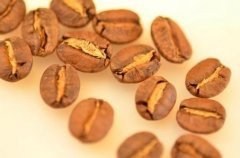
Coffee bean producing country Venezuelan origin coffee
Venezuela's coffee production is not high, most of it for domestic consumption. Although the main origin of Venezuelan coffee comes from the western region close to Colombia, its sour taste is very weak, not like Colombian beans at all, but as sweet and deep as Caribbean beans.

Venezuelan coffee producing area of San Cristobal with different coffee tastes
The characteristics of Venezuelan coffee: Venezuelan coffee taste is different from other coffee in Latin America, it is delicious, light, less sour than traditional coffee, which makes it not only blended but also unique. Flavor: rich and delicious fruit flavor suggested baking method: medium to deep roasting, multi-purpose ★★: good Venezuelan coffee market: at present

Venezuelan coffee with a rich, fruity flavor
The Caracas perimeters, also known for coffee, have resumed production. The Jean and Andres Boulton plantations in Turgua are also home to tipika coffee trees. Characteristics of Venezuelan coffee: Venezuelan coffee tastes different from other Latin American coffees. It is delicious and lighter than traditional coffee.

Delicious fruit-flavored Venezuelan coffee introduces fine coffee
The characteristics of Venezuelan coffee: Venezuelan coffee taste is different from other coffee in Latin America, it is delicious, light, less sour than traditional coffee, which makes it not only blended but also unique. Flavor: rich and delicious fruit flavor suggested baking method: medium to deep roasting, multi-purpose ★★: good Venezuelan coffee market: at present

The Venezuelan coffee producing area of San Cristobal, located in Tazira in the southwest.
The characteristics of Venezuelan coffee: Venezuelan coffee taste is different from other coffee in Latin America, it is delicious, light, less sour than traditional coffee, which makes it not only blended but also unique. Flavor: rich and delicious fruit flavor suggested baking method: medium to deep roasting, multi-purpose ★★: good Venezuelan coffee market: at present

The characteristics of Venezuelan coffee
Venezuela introduced coffee trees from Martinique as early as 1730, but coffee production was almost abandoned at the height of the oil industry. Recently, coffee plantations have begun to recover, with original Tipica and bourbon coffee trees and new plantations laying the foundation for coffee exports.

Introduction to the special taste of Venezuelan coffee with different tastes
One of the many plantations in Merida at the foot of the Andes belongs to the Pablo and Pulido families, an ancient farm that has been allowed to downsize. Since taking over the farm in the early 1980s, the Pulido family has harvested coffee from existing bourbon coffee trees and planted new tree species to expand farming.